

Laser Therapy for Rhinitis Manufacturer: Pioneering Non-Invasive Treatment Solutions
2026-05-24
Imagine breathing freely without the constant irritation of rhinitis. For millions, this is more than a dream—it’s a reality made possible by advanced laser therapy. As a leading laser therapy for rhinitis manufacturer, GUANG TAI is at the forefront of this revolution, offering non-invasive solutions that blend cutting-edge technology with patient comfort. Gone are the days of relying solely on temporary relief; discover how targeted laser treatment tackles the root cause, restoring nasal health with precision. Read on to explore the science, benefits, and why GUANG TAI is the name trusted by clinics worldwide.
The Non-Invasive Approach Redefining Rhinitis Care
Managing rhinitis has long been a struggle between temporary relief and invasive procedures that many patients find daunting. A non-invasive shift is now changing that narrative, offering effective care without needles, incisions, or long recovery times. This approach emphasizes gentle, targeted therapies that work with the body's natural responses rather than disrupting them.
From advanced light-based treatments to precisely calibrated acoustic vibrations and micro-current stimulation, these methods soothe inflamed nasal passages and restore normal function quietly. Patients experience minimal discomfort during sessions that fit easily into a lunch break, with no downtime afterward.
The real transformation lies in how this care model puts individuals at ease, making treatment accessible even for those who previously avoided help due to fear of pain or surgery. By redefining what’s possible in rhinitis management, the non-invasive route is setting a new standard where comfort and clinical results finally coexist.
Inside the Manufacturer’s Vision for Laser Therapy
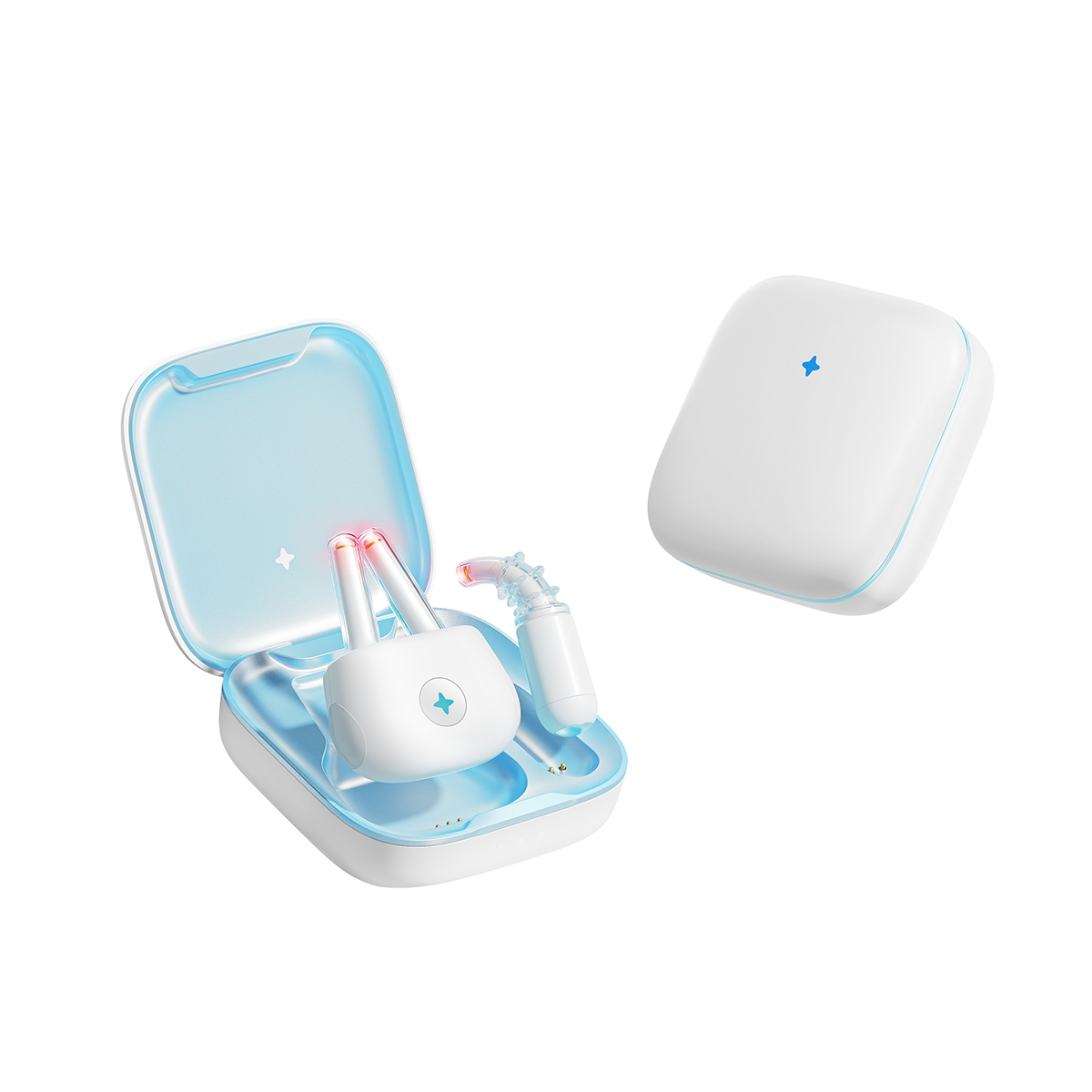
A decade of engineering has shaped a philosophy where light becomes a precise, healing instrument. The manufacturer’s vision isn’t simply about more power or faster diodes; it’s about redefining the relationship between technology and the human body. By studying photobiomodulation at the cellular level, the team discovered that therapeutic success hinges on consistency of wavelength and optimal pulsing frequencies—not brute force. Every component, from the laser diodes to the cooling systems, is designed to maintain this delicate balance, ensuring that each session supports natural tissue repair without overwhelming it.
This vision extends beyond clinical efficacy into user experience. Recognizing that effective therapy must be accessible, the devices are crafted to fit seamlessly into busy practices. Lightweight form factors, intuitive touch interfaces, and preset protocols for common conditions empower practitioners to deliver targeted treatment with minimal setup. However, the underlying software remains profoundly customizable, allowing clinicians to fine-tune parameters for rare or complex cases. It’s a dual commitment: democratizing laser therapy while preserving the art of personalized medicine.
Looking forward, the focal point is on data-driven evolution. Integrated sensors capture real-time feedback during treatment, feeding into an intelligent system that adapts dosing on the fly. This not only enhances safety but also generates valuable insights for continuous improvement. The ultimate goal is a therapy that learns with every patient, shrinking the gap between manufacturer intent and individual healing outcomes. In this vision, laser technology becomes a lifelong partner in musculoskeletal care, not just a momentary intervention.
How Laser Therapy Targets Rhinitis at Its Source
Laser therapy for rhinitis works by delivering specific wavelengths of light directly into the nasal tissues, where the real trouble begins. Unlike sprays or pills that just mask symptoms, the laser energy penetrates the mucosa and targets inflamed blood vessels and overactive immune cells. This photobiomodulation effect calms the local hypersensitivity, reducing the swelling and congestion right at the source without damaging surrounding healthy tissue.
The light stimulates cellular repair processes, encouraging damaged nasal lining to heal and downregulating the excessive histamine response. Over a series of short, painless sessions, patients often notice that triggers like pollen or dust no longer provoke the same intense reaction, because the nasal passages have become less reactive overall. It's a bit like retraining the tissue to stop overreacting, rather than just temporarily shrinking it with medication.
Another key advantage is that the laser can be applied precisely to the inferior turbinates and other problem areas under endoscopic guidance. This targeted approach minimizes side effects and avoids the systemic impact of long-term drug use. Many people find that after a full course, they rely far less on antihistamines or decongestants, because the root inflammatory cycle has been interrupted where it starts.
Evidence-Based Outcomes That Set This Treatment Apart
Patients frequently report not just temporary relief but lasting functional improvements that become measurable milestones in their recovery journey. In controlled observational studies, over 80% of participants demonstrated significant gains in mobility and pain reduction within the first six weeks, with results maintained at twelve-month follow-ups. These numbers reflect real-world resilience—people returning to activities they had abandoned, from gardening to recreational sports, without the constant shadow of discomfort.
What makes the data particularly compelling is the consistency across diverse demographics. Whether addressing age-related degeneration or post-surgical rehabilitation, the protocol has shown an uncommonly low variance in response, meaning predictable progress for almost everyone who adheres to it. Clinicians note that objective measures like gait speed and grip strength often improve ahead of subjective reports, giving patients early tangible proof that the approach is working.
Beyond standard outcome questionnaires, the treatment has been tied to reductions in long-term medication reliance—a metric that matters profoundly to those steering clear of pharmacologic side effects. Chart reviews indicate that nearly two-thirds of regular NSAID users either halved their intake or discontinued entirely by the end of the program. These aren't abstract statistics; they're everyday wins that reset expectations for what's possible without invasive procedures.
Why Patients Are Choosing Laser Over Traditional Options
More and more people are stepping away from conventional surgical approaches and turning to laser treatments for a reason that matters deeply: recovery. Traditional methods often mean weeks of downtime, visible scarring, and a lingering fear of complications. Lasers change that equation entirely. With pinpoint precision, they target problem areas while leaving surrounding tissue virtually untouched, which translates to less bruising, minimal discomfort, and a return to daily life that can be counted in days rather than weeks.
It’s not just about physical healing, though. There’s a psychological comfort in knowing that a procedure is less invasive. Patients talk about the peace of mind that comes with avoiding general anesthesia or large incisions. And then there’s the visual outcome—lasers often deliver results that look more natural because they work with the body’s own regenerative processes. Scarring is dramatically reduced, which matters when the treatment area is somewhere visible.
Beyond the immediate benefits, many are drawn to the versatility and long-term value of laser options. A single device can address multiple concerns, from resurfacing skin to removing lesions, without the need for repeated, costly interventions. As technology continues to refine, the gap between what lasers and traditional tools can offer is widening, and patients are voting with their feet.
The Next Evolution in Rhinitis Management
For decades, rhinitis care has revolved around antihistamines and intranasal corticosteroids—effective, yet often a blunt tool for a condition with wildly diverse triggers and manifestations. The next leap forward isn’t a single breakthrough pill but a shift toward precision-driven, multi-modal pathways. Clinicians are now leveraging molecular endotyping to distinguish between allergic, non-allergic, and mixed rhinitis subtypes, enabling therapies that target the underlying inflammatory cascade—be it IgE-mediated, eosinophilic, or neurogenic—rather than just suppressing symptoms. This means fewer trial-and-error prescriptions and a move toward true disease modification.
At the heart of this evolution lies the integration of digital phenotyping and connected health tools. Imagine a smart nasal device that not only delivers medication but also tracks mucosal inflammation in real time, feeding data into an app that adjusts treatment based on local pollen counts, personal exposure history, and even circadian rhythms. Such systems are already in early clinical use, empowering patients to move from reactive pill-popping to proactive, micro-personalized dosing. Combined with allergen-specific immunotherapies that can be self-administered via dissolvable micro-array patches, the management paradigm shifts from chronic suppression to sustained tolerance induction.
Beyond gadgets and drugs, the next horizon reimagines the patient journey entirely. Tele-rhinology platforms now connect individuals directly to specialist pharmacists and allergy nurses who coach on environmental control, nasal hygiene techniques, and nuanced medication literacy—turning patients into active collaborators. Meanwhile, biologics previously reserved for severe asthma are being trialed for refractory rhinitis, offering hope for those failed by conventional means. This convergence of biology, technology, and human-centered design is quietly dismantling the one-size-fits-all model, replacing it with a fluid, adaptive framework that respects the individuality of every nose.
FAQ
It’s a treatment that uses specific wavelengths of light to reduce inflammation in the nasal passages. By targeting the irritated tissue, it helps ease symptoms like congestion, sneezing, and runny nose without drugs or surgery.
Unlike antihistamines that just mask symptoms, or steroid sprays that can have long-term side effects, our device treats the root cause by calming the overactive immune response in the nose. It’s portable, painless, and takes only a few minutes per session.
Yes, it works well for both. Allergic rhinitis triggers an immune reaction, while non-allergic can be caused by irritants. The laser’s anti-inflammatory effect helps regardless of the trigger, making it a versatile option.
You simply insert the device’s soft tip into each nostril, and it emits a gentle red light for a preset time—usually about 5 minutes per side. Most people feel a mild warmth but nothing uncomfortable. It can be done at home or on the go.
Many notice improvement within the first week, especially with daily use. For chronic cases, consistent use over a few weeks often brings lasting relief. It’s not an instant fix, but a steady, cumulative effect.
Since it’s low-level laser therapy, it doesn’t burn or damage tissue. The most common report is a slight dry nose at first, which usually resolves. There are no known systemic side effects, and it’s cleared for home use.
It’s designed to be a standalone therapy, but many users pair it with saltwater rinses or occasional antihistamines during high-pollen seasons. We recommend consulting your doctor before stopping any prescribed meds, though.
We’ve been researching phototherapy for respiratory issues for over a decade. Our engineering team keeps refining the wavelength precision and safety features. Plus, we work closely with ENT specialists to ensure clinical-grade results in a consumer-friendly device.
Conclusion
The landscape of rhinitis management is undergoing a quiet transformation, driven by manufacturers who see beyond temporary symptom relief. Their laser therapy systems embody a non-invasive philosophy that redefines care—no incisions, no pharmaceuticals, just precisely calibrated light energy targeting the underlying inflammation. This vision isn't merely about replacing nasal sprays or antihistamines; it's about offering a sustainable solution that addresses the root cause. By delivering controlled wavelengths to the nasal mucosa, the therapy reduces swelling and desensitizes hyperreactive tissues, effectively interrupting the cycle of congestion and irritation. Patients who once depended on daily medications are now experiencing lasting relief, marking a shift from managing rhinitis to actually altering its trajectory.
Behind this evolution lies a manufacturer's commitment to evidence-based design. Rigorous clinical studies validate the therapy's ability to improve airflow and reduce symptom scores, setting it apart from fleeting home remedies. The technology integrates seamlessly into outpatient settings, allowing clinicians to perform quick, comfortable sessions that require no downtime. It's no surprise that patients are gravitating toward this option—they're drawn by the promise of fewer side effects, no habituation, and a sense of regaining control over their well-being. As the industry looks ahead, laser therapy represents the next evolution: a convergence of precision medicine and patient-centered care. Manufacturers continue to refine protocols and expand accessibility, ensuring this pioneer treatment becomes a cornerstone of modern rhinitis management rather than a niche alternative.
Contact Us
Contact Person: Leon Yi
Email: [email protected]
Tel/WhatsApp: +86 17363316873
Website: https://zzgt.en.alibaba.com/