

How Can an Integrated Breast Pump Make Breastfeeding More Convenient?
2026-10-27
Breastfeeding is a rewarding experience, but balancing milk expression with work, household responsibilities, and newborn care can be challenging. For mothers who need greater flexibility, an Integrated Breast Pump offers a convenient way to express and collect breast milk with fewer separate components and greater freedom of movement. Depending on the design, it may combine the motor, breast shield, and milk collection container in one compact unit, making daily pumping more manageable.
Unlike traditional electric pumps that often rely on external motors and connecting tubes, many integrated and wearable models are designed to fit inside a nursing bra. This streamlined structure can reduce setup time, improve portability, and support a more flexible feeding routine. For maternal and infant product brands, retailers, and distributors, integrated breast pumps also represent an opportunity to meet the growing demand for practical, user-friendly breastfeeding accessories.
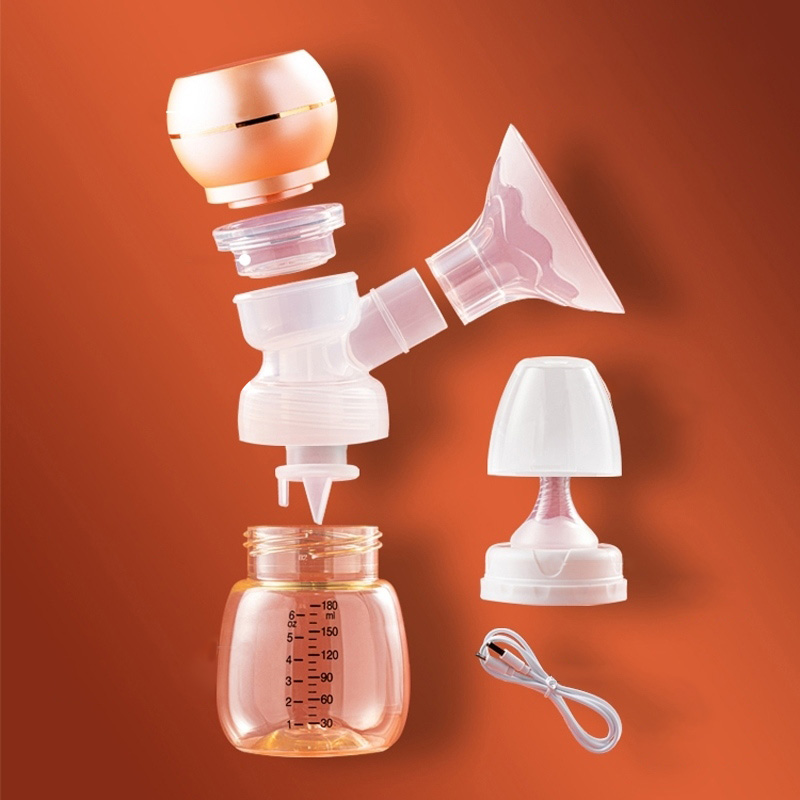
What Is an Integrated Breast Pump?
An Integrated Breast Pump is a breast milk expression device that combines essential pumping components into a compact system. Depending on the model, it may feature a built-in motor, rechargeable battery, breast shield, and milk collection cup. Some designs are wearable and hands-free, while others use an integrated structure without being fully wearable.
Its primary purpose is to simplify milk expression without compromising the user's comfort or daily routine. By reducing the need for external equipment, an integrated design can make pumping easier at home, at work, or while traveling.
Key features may include:
-
Compact construction: Combines essential components to reduce the need for separate accessories.
-
Hands-free operation: Wearable models allow mothers to keep their hands available for light daily activities.
-
Adjustable suction: Multiple settings help users select a comfortable pumping intensity.
-
Rechargeable power: A built-in battery can support cordless use, depending on the model.
-
Integrated milk collection: Milk is collected directly in an attached container, simplifying handling after pumping.
The actual configuration, operating modes, battery capacity, and collection volume vary by product. Buyers should review individual specifications before selecting a model.
Why Is an Integrated Breast Pump Important for Modern Mothers?
1. Greater Flexibility in Everyday Life
New mothers often manage feeding schedules alongside rest, household tasks, and returning to work. Traditional pumping equipment can require a dedicated space, nearby power access, and time to assemble multiple parts.
A portable Integrated Breast Pump can simplify this process. Wearable designs allow mothers to pump without remaining connected to an external motor or power outlet during operation. This flexibility may be particularly useful during breaks at work, short trips, or busy days at home.
Although hands-free pumping provides greater convenience, users should still prioritize a comfortable position and follow the manufacturer's instructions.
2. A More Comfortable Pumping Experience
Comfort is essential for establishing a sustainable pumping routine. An incorrectly sized breast shield, excessive suction, or poor positioning may cause discomfort and interfere with milk expression.
Many integrated models offer adjustable suction levels and different operating modes, such as stimulation and expression. Stimulation settings generally use faster, gentler cycles to encourage milk let-down, while expression settings use a different suction rhythm to collect milk.
Selecting the correct breast shield size and starting with a comfortable suction level can help improve the experience. Stronger suction does not automatically mean better results.
3. Simplified Setup and Milk Collection
A design that combines the motor and collection container can reduce the number of external connections users need to manage. This can make preparation more straightforward, particularly for mothers who pump several times a day.
After pumping, milk can be transferred to an appropriate storage container when necessary. Removable components that contact breast milk should be cleaned according to the manufacturer's instructions to maintain proper hygiene.
4. Support for Breastfeeding Goals
Expressed breast milk can help families maintain feeding routines when direct breastfeeding is not possible or convenient. A pump can also allow another caregiver to participate in feeding when the mother chooses to share this responsibility.
However, milk output varies among individuals and may change with comfort, fit, pumping frequency, and other factors. An Integrated Breast Pump supports milk expression but cannot guarantee a specific volume of milk or replace individualized medical advice.
How Does an Integrated Breast Pump Improve Pumping Efficiency?
The effectiveness of a breast pump depends on more than its physical design. Suction control, cycle patterns, breast shield fit, and ease of operation all contribute to the overall experience.
| Feature | Practical Benefit |
|---|---|
| Integrated motor | Reduces reliance on separate external equipment |
| Adjustable suction | Allows users to personalize pumping intensity |
| Stimulation and expression modes | Supports different stages of milk expression |
| Built-in collection cup | Collects milk directly during pumping |
| Rechargeable battery | Enables cordless operation when charged |
| Compact, wearable structure | Improves portability for everyday use |
When these features are appropriately designed, they can help reduce setup effort and make pumping more convenient. Nevertheless, performance should be evaluated through actual product specifications, usability testing, and user feedback rather than feature lists alone.
What Should Buyers Consider When Choosing an Integrated Breast Pump?
For individual users, comfort and ease of cleaning are important priorities. For wholesalers, importers, and retailers, product consistency, documentation, packaging, and supplier capabilities also deserve attention.
Consider the following factors before purchasing:
1. Breast Shield Fit
A suitable breast shield helps position the nipple correctly and supports comfortable milk expression. Check the available sizes and whether additional inserts are offered.
2. Suction Adjustment
Look for clearly defined settings and intuitive controls. The device should allow users to select a comfortable intensity instead of relying on a single fixed level.
3. Battery Performance
For cordless models, review charging time, operating time, and the manufacturer's stated number of pumping sessions per charge.
4. Cleaning and Hygiene
Check whether milk-contact components can be removed easily and whether the cleaning instructions are clear. Also review the design's backflow protection and material documentation.
5. Noise, Weight, and Capacity
A lightweight structure and low operating noise may improve convenience in shared environments. Collection capacity should be suitable for the user's needs without making the device unnecessarily bulky.
6. Product Quality and Compliance
Commercial buyers should verify applicable safety requirements, material declarations, product testing, labeling, and market-specific regulatory documentation before placing orders.
Why Work with Ningbo Qinmeng Maternal and Child Products Co., LTD.?
Choosing a suitable supplier is an important step for brands and distributors entering the maternal and infant care market. Ningbo Qinmeng maternal and child products Co., LTD. can be considered as a potential business partner for buyers exploring breast pumps and related maternal and child product opportunities.
When evaluating an Integrated Breast Pump supplier, professional buyers should assess product specifications, manufacturing capabilities, quality control procedures, packaging options, and communication efficiency. These factors help businesses determine whether a product fits their target market and distribution strategy.
For brands developing their product portfolios, it is also useful to clarify requirements for product appearance, accessories, packaging, labeling, and any requested customization before confirming an order. Supplier capabilities and available customization services should be verified directly.
A well-selected product can help businesses address practical consumer needs while building a consistent maternal and infant care range. By focusing on usability, product quality, and reliable supplier communication, buyers can make more informed sourcing decisions.
Conclusion
An Integrated Breast Pump combines convenience, portability, and practical milk collection features to support modern breastfeeding routines. Its potential benefits include simpler setup, flexible operation, and easier integration into daily life. The best choice, however, depends on breast shield fit, suction adjustment, cleaning requirements, battery performance, and verified product quality.
For distributors, wholesalers, and maternal care brands, selecting the right product and supplier is essential for meeting customer expectations and building long-term business opportunities.
Looking for a suitable Integrated Breast Pump for your maternal and infant care product range? Contact us at Ningbo Qinmeng maternal and child products Co., LTD. to discuss your product requirements, sourcing needs, and potential cooperation opportunities.